AI Allergen Detection Restaurant: Easy Compliance with the EU
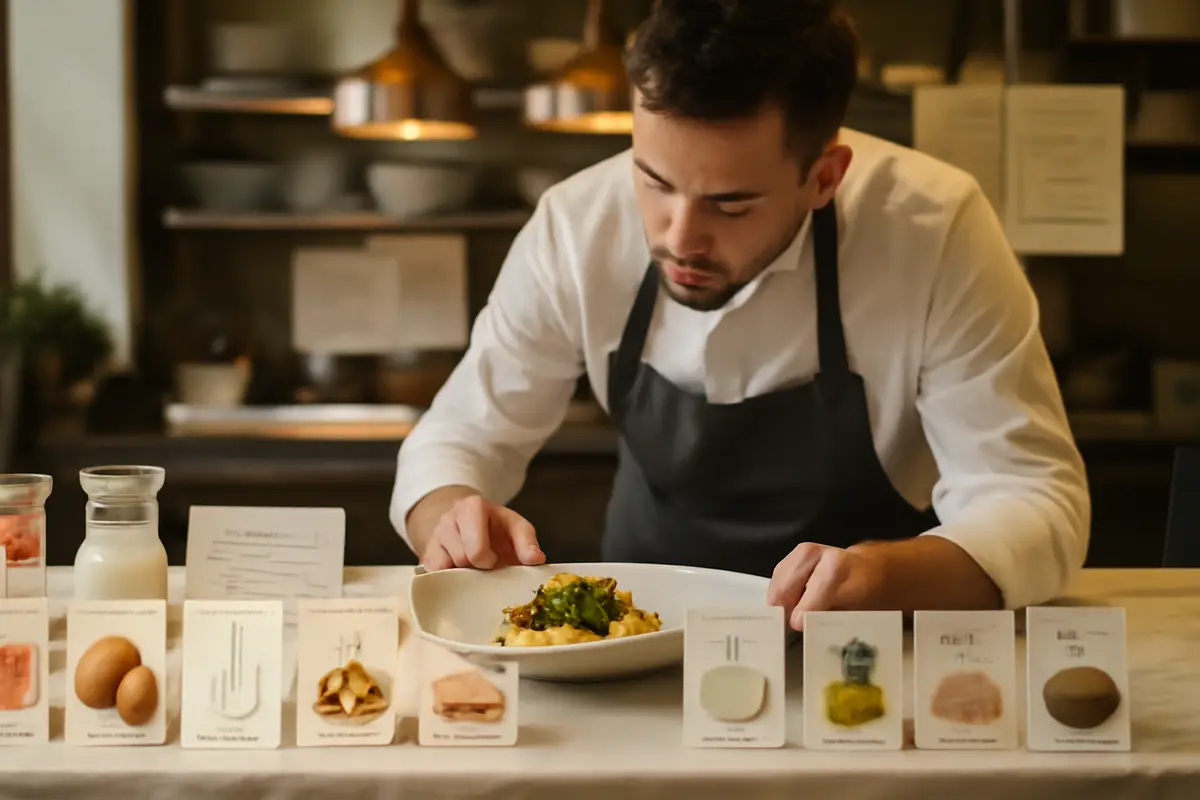
If you manage a menu with many dishes, seasonal changes, daily specials, or multiple locations, reviewing allergens one by one can become a slow and easily postponed task. With the ia restaurant allergen detection, you can now automatically identify the mandatory allergens in your dishes, review only what matters, and present the information to the customer clearly before they place their order.
What is ia restaurant allergen detection
This innovation analyzes each dish on your menu and suggests which allergens should be marked based on the information available in the dish name, its description, and its ingredients. The goal is simple: to save you manual work and help you keep your menu better prepared to comply with European regulations.
It is not limited to the most obvious cases. In addition to detecting easily recognizable ingredients, it can also help you identify allergens that often go unnoticed in more complex preparations: a sauce, a cream, a batter, a dough, a prepared base, or a side dish.
Afterward, you decide. The AI makes a suggestion, and your team reviews and confirms it before publishing. This way, you maintain control of the menu without having to start from scratch dish by dish.
The real benefit: less manual review
In the EU, there are 14 mandatory allergens. When your menu has dozens or hundreds of items, checking them manually takes a lot of time. With this feature, you can now move from reviewing the entire menu to validating pre-prepared suggestions.
How it works in your daily routine
The process is designed to be practical, even if you change dishes frequently. When you upload or update your menu, the tool analyzes each recipe and shows you the allergens that may apply to that dish.
- Reads the dish content: name, description, and ingredients.
- Detects the 14 mandatory allergens when they appear directly or within composite preparations.
- Proposes the result for your team to review.
- You publish with peace of mind when the information is validated.
This makes the work much more manageable for restaurants with long menus, hotels with multiple points of sale, or businesses that frequently change their offerings. Instead of chasing loose sheets, messages, or old versions of the menu, you can centralize the information and make it visible in the digital menu.
If you also want a broader view of everything your digital menu can do, you can see other features in our functionalities or how to better connect your processes in integrations and connections.
What your restaurant gains by using it
The improvement is not just operational. It also affects the customer experience and the trust your brand conveys when the information is clear from the very beginning.
- Less time spent reviewing the menu manually.
- Less risk of forgetting something important in complex dishes.
- More clarity for the customer before ordering.
- Fewer repetitive doubts in the dining room about ingredients and preparations.
- More consistency when updating dishes or opening multiple locations.
For diners with allergies or intolerances, seeing this information before making a decision is key. It helps them choose more confidently and reduces the feeling of uncertainty. For your team, it means fewer interruptions and quicker responses when service gets busy.
Before and after
Before: manually reviewing each recipe, chasing kitchen changes, redoing checks when a sauce or side dish changes.
Now: the AI provides a first proposal ready for validation, and the customer sees the allergens in the digital menu before ordering.
A concrete usage example
Imagine a dish like “creamy boletus croquettes with lime aioli.” At first glance, someone might only think of milk or egg. But in a real preparation, gluten may appear from the flour or breadcrumbs, egg in the batter or sauce, milk in the béchamel, and even other allergens if there are prepared bases or composite ingredients.
Another common case: a salad seems simple, but the dressing, croutons, mustard, or a store-bought sauce completely change the allergen information. This is where automatic review helps you not to rely only on the most obvious.
With this feature, the menu is analyzed dish by dish, and it suggests the allergens that should be marked. Then, your team confirms and publishes. The result is a clearer menu that is easier to keep up to date.
If you want to delve deeper into this specific part, you can visit the allergen management page. And if you're looking for ideas based on your type of business, you can also check out use cases.
Designed for dynamic menus, not static documents
The reality for many restaurants and hotels is that the menu changes. There are specials, seasonal menus, substitutions due to availability, dishes that come and go, or adaptations for events. That's why this innovation is not intended as a one-time review, but as ongoing support.
Every time you update a dish, you can revisit the allergen proposal without having to redo the entire menu from scratch. This is especially useful if you work with large teams or multiple locations, as it allows you to maintain a more organized and visible base for everyone.
Additionally, if you already use other support tools for your operation, this improvement fits very well with a more centralized management of the digital menu. You can even combine it with the AI waiter to resolve frequent customer inquiries more efficiently.
Frequently asked questions
Here are the most common questions about this new automatic allergen detection feature for restaurants and hotels.
What exactly does the AI detect in my menu?
The AI analyzes the name, description, and ingredients of each dish to identify the 14 mandatory allergens in the EU. It can also point out less obvious allergens when they appear in sauces, bases, batters, or composite preparations, so you only need to review and confirm.
Do I have to trust everything to the AI without reviewing?
No. The proposal is designed to help you save time, not to take away your control. The AI suggests the allergens for each dish, and you review, correct if necessary, and confirm before publishing it in your digital menu.
Does it help to comply with European allergen regulations?
Yes, it helps you have the mandatory allergen information identified and visible according to Regulation 1169/2011. This reduces manual work and allows you to offer clearer information to the customer before ordering.
What if I change an ingredient or add new dishes?
When you update a dish or add new recipes, you can revisit the suggested allergens to keep the menu up to date. This avoids having to redo the complete check of the entire menu every time you make changes.
How does the customer see the allergens on the menu?
The customer finds the dish information clearly within the digital menu, before ordering. This facilitates decision-making, reduces doubts in the dining room, and improves the confidence of people with allergies or intolerances.
If you want to activate a clearer menu, easier to review and prepared to show allergens to the customer before the order, discover the solution in allergen management.