Your menu in Rome, eternal capital of gastronomy
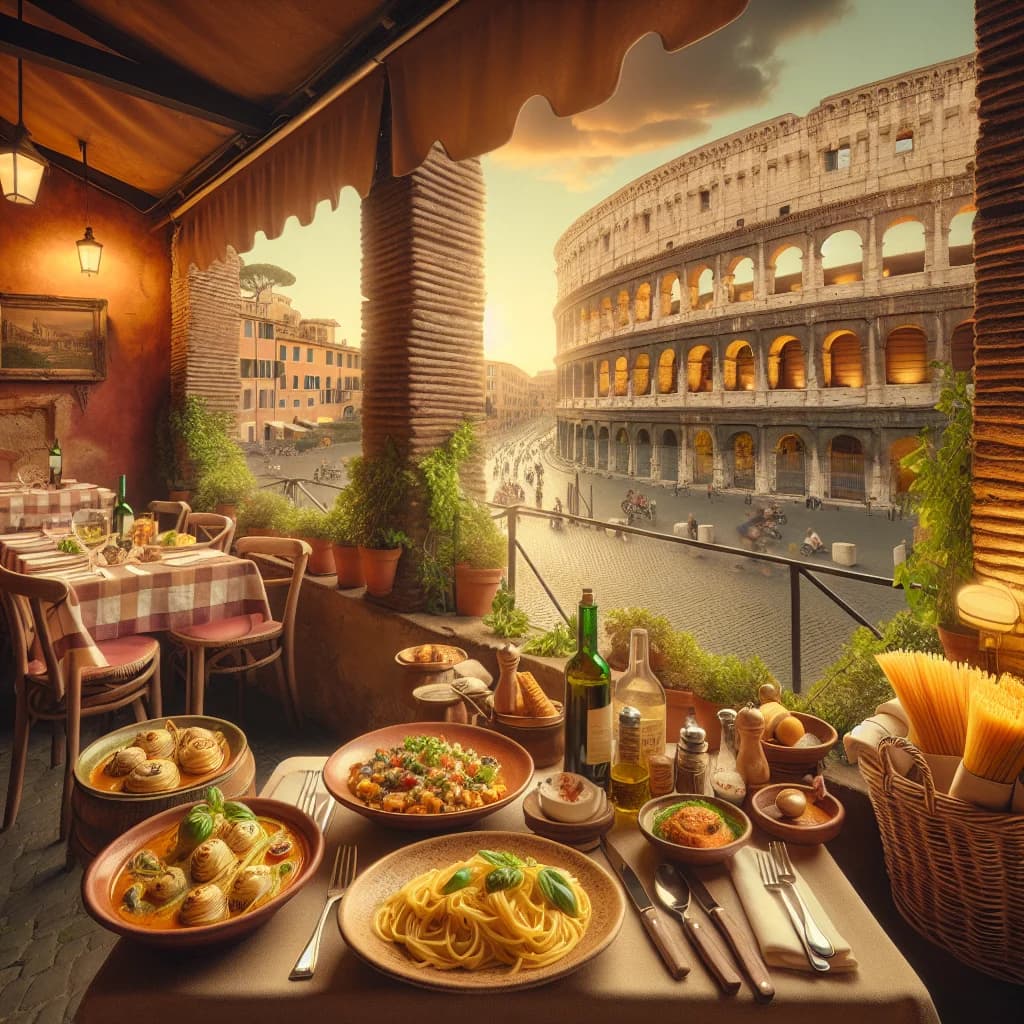
Rome receives 35 million tourists a year: 12,000 restaurants, 17 Michelin stars, the most famous carbonara in the world, and carciofi alla giudia that only exist here. From Trastevere to Testaccio, your menu needs to speak Italian, English, French, Spanish, German, and Chinese instantly. With IAMenu, AI translates your menu into 54 languages, automatically detects the 14 EU allergens, and generates HD photos of your cacio e pepe and your supplì al telefono.
✓ 14 days free • No card required
Operational summary
Solution
Your menu in Rome, eternal capital of gastronomy
Built for
Rome receives 35 million tourists a year: 12,000 restaurants, 17 Michelin stars, the most famous carbonara in the world, and carciofi alla giudia that only exi…
Operational impact
Rome, 35 million tourists and eternal capital of gastronomy, deserves a menu that speaks to the world.
The reality of a restaurant in Rome
Rome is the capital of a country that lives off gastronomy, and your 35 million annual tourists know it. But that overwhelming volume has a dark side. An American sits in your trattoria in Trastevere and cannot distinguish between carbonara, amatriciana, and gricia: all three contain guanciale but are completely different dishes. A German in Testaccio wants to try carciofi alla giudia but does not know it is a recipe from the Roman Jewish ghetto with 500 years of history. A Frenchman in Monti asks about the allergens in supplì al telefono and your waiter improvises. Meanwhile, the tourist trattorias in Piazza Navona serve 'fettuccine alfredo' (a dish that does NOT EXIST in real Roman cuisine) to tourists who will never know what they are missing. Rome has 17 Michelin-starred restaurants, led by La Pergola with 3 stars, but also thousands of authentic trattorias in the Centro Storico that struggle to differentiate themselves from tourist traps. Without a menu explaining what makes your carbonara special (guanciale, not bacon; pecorino, not parmesan; no cream, NEVER cream), the tourist does not perceive the difference between your authentic trattoria and the restaurant next door serving industrial pasta. Roman cuisine is a religion: cacio e pepe, amatriciana, carbonara, gricia are the 'quattro pilastri' and each has sacred rules. A mistake with allergens in the capital of world tourism is not just a fine according to EU Regulation 1169/2011: it is a one-star review that drives away the next 1,000 tourists. And every day that your menu does not speak the languages of your customers, you are giving away diners to the tourist traps that do have photos and translations, even if their food does not come close to yours. The digital transformation of hospitality is not optional: customers expect clear, immediate information in their own language. According to 2025 industry data, 73% of international tourists check the menu online before choosing a restaurant, and 62% skip venues without a translated menu. Regulatory pressure is also increasing: fines for inadequate allergen information can exceed 5,000 euros. In this context, an AI-powered digital menu is not a luxury but a competitive necessity. Restaurants adopting automatic translation and allergen detection technology report immediate improvements in customer satisfaction, operational efficiency, and regulatory compliance. The investment pays for itself within weeks through reduced printing costs, fewer order errors, and higher average spend from international guests.
Benefits of IAMenu for Your Restaurant in Rome
Automatic EU Reg. 1169/2011 Compliance
In Rome, Italian regulations require clear allergen information under EU Regulation 1169/2011. IAMenu automatically detects all 14 allergens using AI that understands Italian cuisine: it knows carbonara contains egg and tiramisù contains dairy. Over 95% accuracy.
Mass Tourism Without Linguistic Chaos
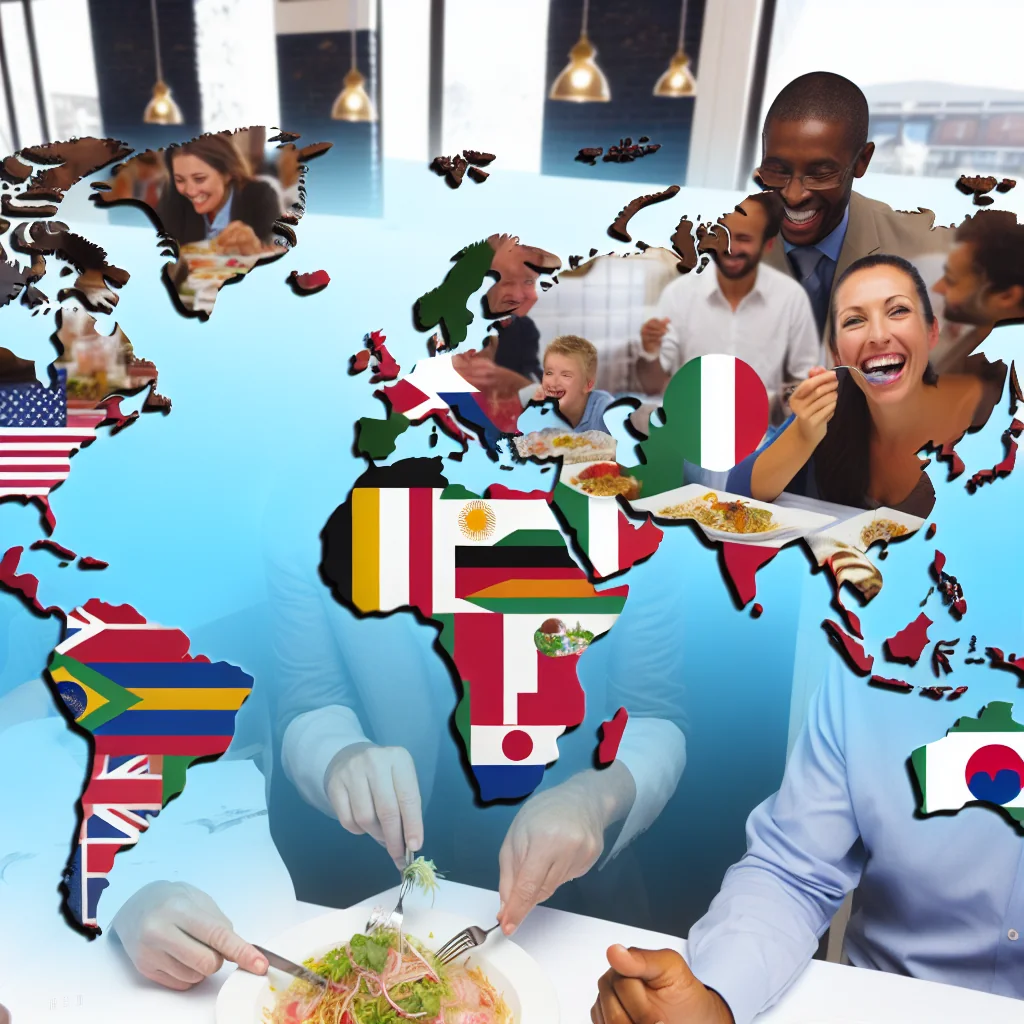
Rome receives 15M tourists annually. IAMenu translates your menu into 54 languages with contextual AI that respects Italian gastronomy: it doesn't translate "cacio e pepe" literally, but describes the dish while maintaining its identity. Americans, Chinese, Germans, and Japanese understand your menu instantly.
Concrete Operational Savings
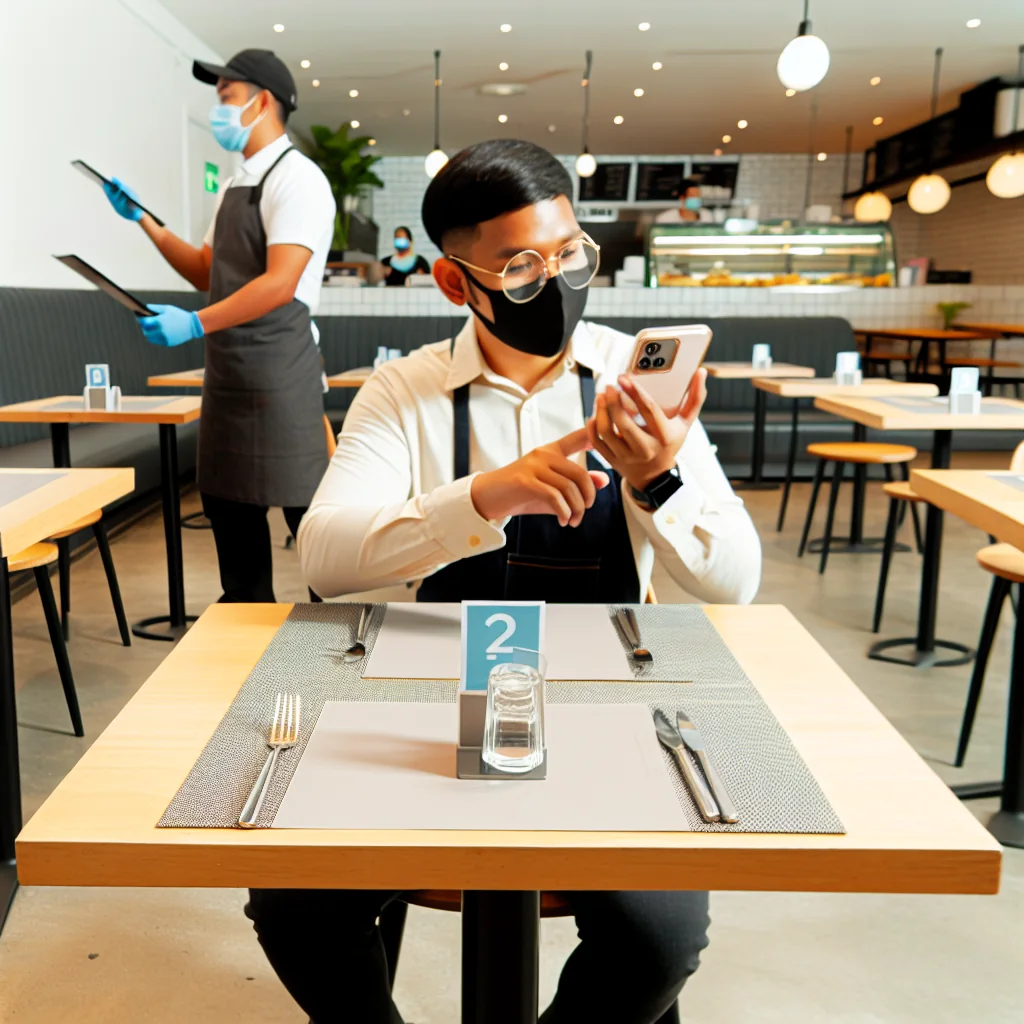
Eliminate menu reprints (average saving €1,600/year), reduce order errors by 35%, and free up staff. In Rome, where hospitality is culture, spending time with customers instead of explaining ingredients improves the experience and reviews. Update in 10 seconds from your phone.
Professional Image Without Extra Costs
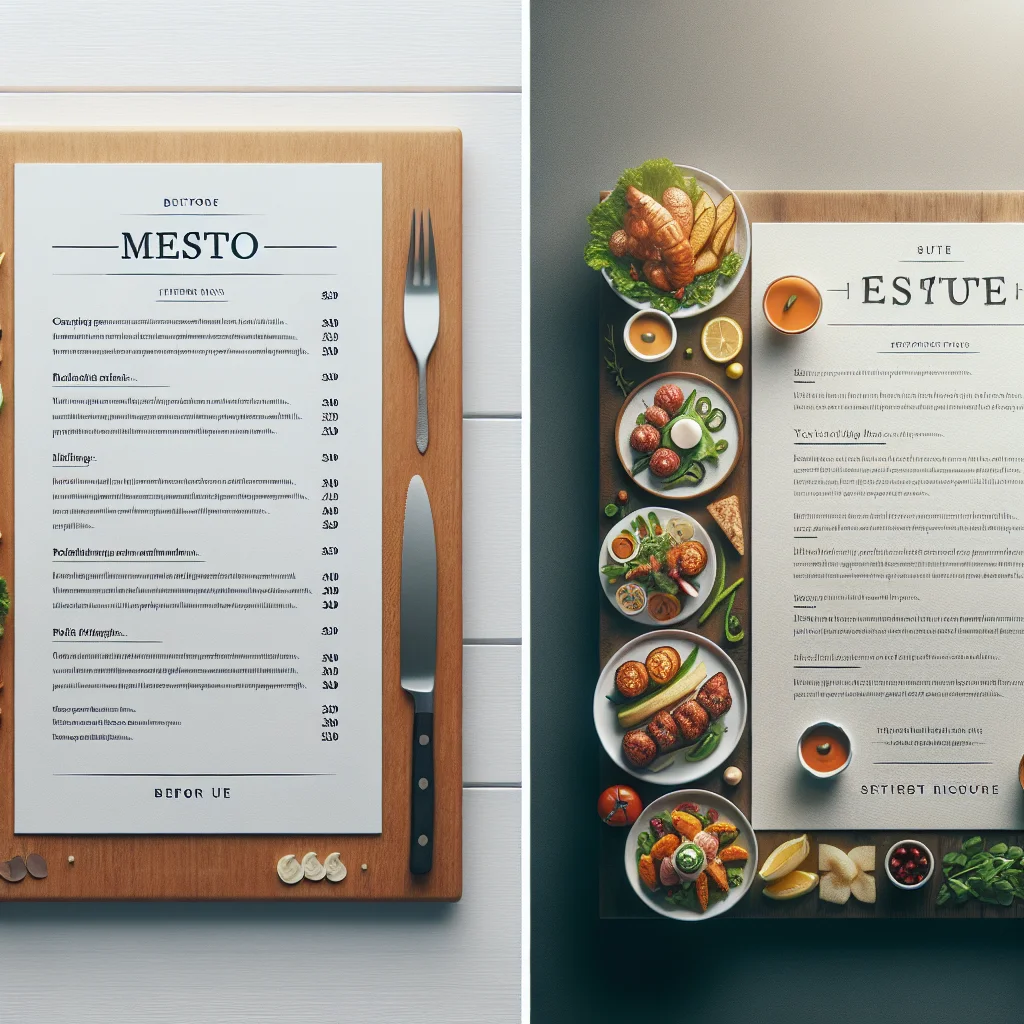
HD photos of your dishes with GPT Image, professional descriptions in 4 styles, and a responsive QR menu. In Rome, where gastronomic competition is fierce, presenting a digital menu with irresistible photos makes the difference between just another trattoria and a culinary destination.
How IAMenu transforms your restaurant in Rome
Carbonara y cacio e pepe en 54 idiomas al instante
IAMenu traduce tu carta con IA que entiende la cucina romana. El americano descubre la diferencia entre carbonara, amatriciana y gricia. El alemán comprende los carciofi alla giudia con su historia del gueto judío. El francés pide supplì al telefono sabiendo que encontrará mozzarella filante dentro. La IA respeta los términos romanos que no deben traducirse y explica cada plato con la pasión que merece. Desde Trastevere hasta Testaccio, más turistas que eligen tu trattoria auténtica.
Alérgenos automáticos para 35 millones de turistas
Con 35 millones de visitantes al año, un solo error con alérgenos puede ser catastrófico. La IA detecta automáticamente los 14 alérgenos UE en cada plato: gluten en tu pasta, huevos en tu carbonara, lácteos en tu cacio e pepe, frutos secos en tu torta della nonna. Cumples con el Regolamento UE 1169/2011 sin esfuerzo. Cada vez que cambias el menú del giorno, los alérgenos se recalculan instantáneamente.
Fotos que distinguen la Roma auténtica de las trampas turísticas
Genera fotos profesionales con GPT Image: esa carbonara con el guanciale crujiente y el pecorino romano fundido, esos carciofi alla giudia dorados y crujientes, esos supplì con la mozzarella estirándose. Imágenes que transmiten la autenticidad de la cucina romana y separan tu trattoria de las trampas turísticas de Plaza Navona. En una ciudad con 17 estrellas Michelin, tu carta visual compite al nivel que Roma exige.
Funcionalidades de IAMenu para restaurantes en Roma
Menu multiidioma para turismo italiano
Roma es uno de los destinos mas visitados del mundo. Tu carta se traduce a 54 idiomas: italiano, ingles, espanol, aleman, japones y mas. Cada turista lee tu menu en su idioma.
Alergenos segun normativa italiana
Italy enforces EU regulation 1169/2011 strictly. IAMenu automatically detects the 14 allergens in every Italian dish and shows them to the customer in their own language.
Fotos que hacen justicia a la cocina italiana
Cacio e Pepe, Carbonara, Amatriciana: la cocina italiana es visual. Genera fotos profesionales con IA que capturan la autenticidad de tus platos. El turista elige viendo la presentacion.
Gestion de pizzas, pastas y carta de vinos
Organize your menu into sections: Antipasti, Primi, Secondi, Contorni, Dolci, Vini. Subcategories for pizzas, fresh pastas, risotti. A classic Italian structure, digital.
QR profesional para tu trattoria
8 disenos de QR que combinan con el ambiente de tu restaurante en Roma. Desde estilo clasico para trattoria hasta moderno para ristorante contemporaneo.
IAMenu vs alternativas en Roma
| Alternative | Why IAMenu is better |
|---|---|
| TheFork / TripAdvisor | Directories with a limited menu. No automatic translation, no AI allergens, no generated photos. IAMenu is your own premium digital menu, not a listing in a directory. |
| Carta impresa bilingue | Solo italiano e ingles. Roma recibe turistas de 40+ paises. IAMenu traduce a 54 idiomas incluyendo japones, chino y coreano. |
| Glovo Italia / JustEat | Commissions of 15-30% per delivery order. IAMenu is your digital menu for in-person customers, with no commissions and no middlemen. |
| Menu en pizarra | Typically Italian but limited. No photos, no visible allergens, no translation. Tourists don't understand the Italian chalkboard. IAMenu translates instantly. |
| Sin carta digital | El turismo en Roma genera millones de comensales al ano. Sin carta digital multiidioma pierdes clientes que no entienden tu menu. |
Preguntas frecuentes sobre menu digital en Roma
Puedo mantener los nombres italianos de los platos?
Si. Los nombres en italiano se mantienen (Ossobuco alla Milanese, Bistecca alla Fiorentina) y la IA traduce solo la descripcion al idioma del turista. Respeta la autenticidad de tu cocina.
Los alergenos son obligatorios en Roma?
Yes. EU regulation 1169/2011 requires every restaurant in Italy to list the 14 allergens. IAMenu detects them automatically and shows them in the customer's language.
Cuanto cuesta para un restaurante en Roma?
Desde 19 euros al mes (plan Starter). Plan Profesional a 39 euros al mes con 4 idiomas y fotos IA. Roma recibe 15 millones de turistas al ano, por lo que el plan multiidioma es muy recomendable.
El panel de gestion esta en italiano?
Yes. IAMenu is available in Italian as a management language. Create and edit your menu in Italian, and the AI translates it into whatever languages your tourists need.
Funciona para pizzerias y trattorias?
Perfectly. Manage pizzas in multiple sizes, pastas with variations, a wine list by region. The structure adapts to any kind of Italian restaurant.
Explore More Solutions
Discover how IAMenu helps other businesses
Rome, 35 million tourists and eternal capital of gastronomy, deserves a menu that speaks to the world. Every day without a multilingual menu, you lose Americans who confuse your dishes, Germans who do not dare to try carciofi, and French who choose the tourist trap with photos. With 17 Michelin stars setting the standard, digitizing your menu is defending the authenticity of Roman cuisine.
Create My Restaurant Menu in Rome Now✓ 14 days free • ✓ No credit card required • ✓ Cancel anytime